Separate contexts by design instead of asking users to hide individual conversations after the fact.
App, privacy & security overview
Communication built around who you are right now.
Learn how Krew combines passcode-routed identity spaces, private communication, social features and layered security controls.
01
App overview
Krew connects messaging and identity.
People already live in multiple roles. Existing messengers generally bind those roles to a phone number, account or flat inbox. Krew makes context a first-class product object.
Move between roles without another SIM, another device or a cloned app.
Chats, circles, stories and posts can inherit the same active identity boundary.
Users can message, call, share and participate without leaving the active identity.
02
Signature experience
Passcode-routed profiles are more than account switching.
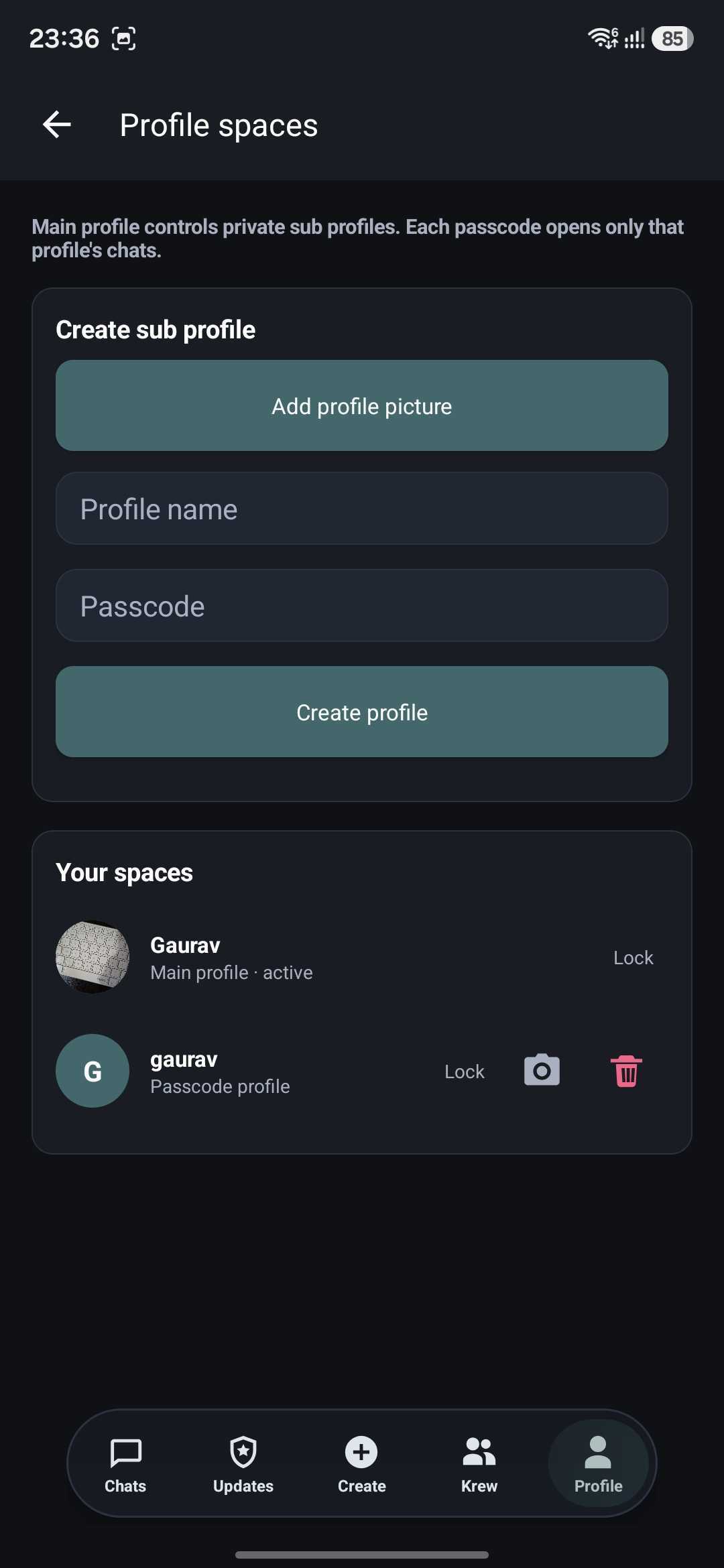
A numeric passcode maps directly to a specific profile. Entering it can open the right identity without first revealing a list of every private space.
- 01Secure the main profile
The main passcode establishes the root boundary.
- 02Create named spaces
Each sub-profile receives a unique 4–12 digit passcode and its own identity.
- 03Unlock by intent
The passcode routes the user to the matching profile; duplicates are rejected.
- 04Keep communication in context
Profile-aware chats and social activity maintain the boundary after entry.
03
Practical use cases
Useful wherever mixed contexts create daily friction.
Owner / operator
Separate customers, vendors, colleagues and personal relationships while keeping one device.
Teenager / student
Move between family, school, close friends and interests with less accidental exposure.
Community lead
Maintain a public identity while preserving private circles and personal conversations.
Shared-device user
Reduce casual access when a phone is borrowed by a family member or colleague.
04 / PRODUCT GALLERY
The current Android product experience.
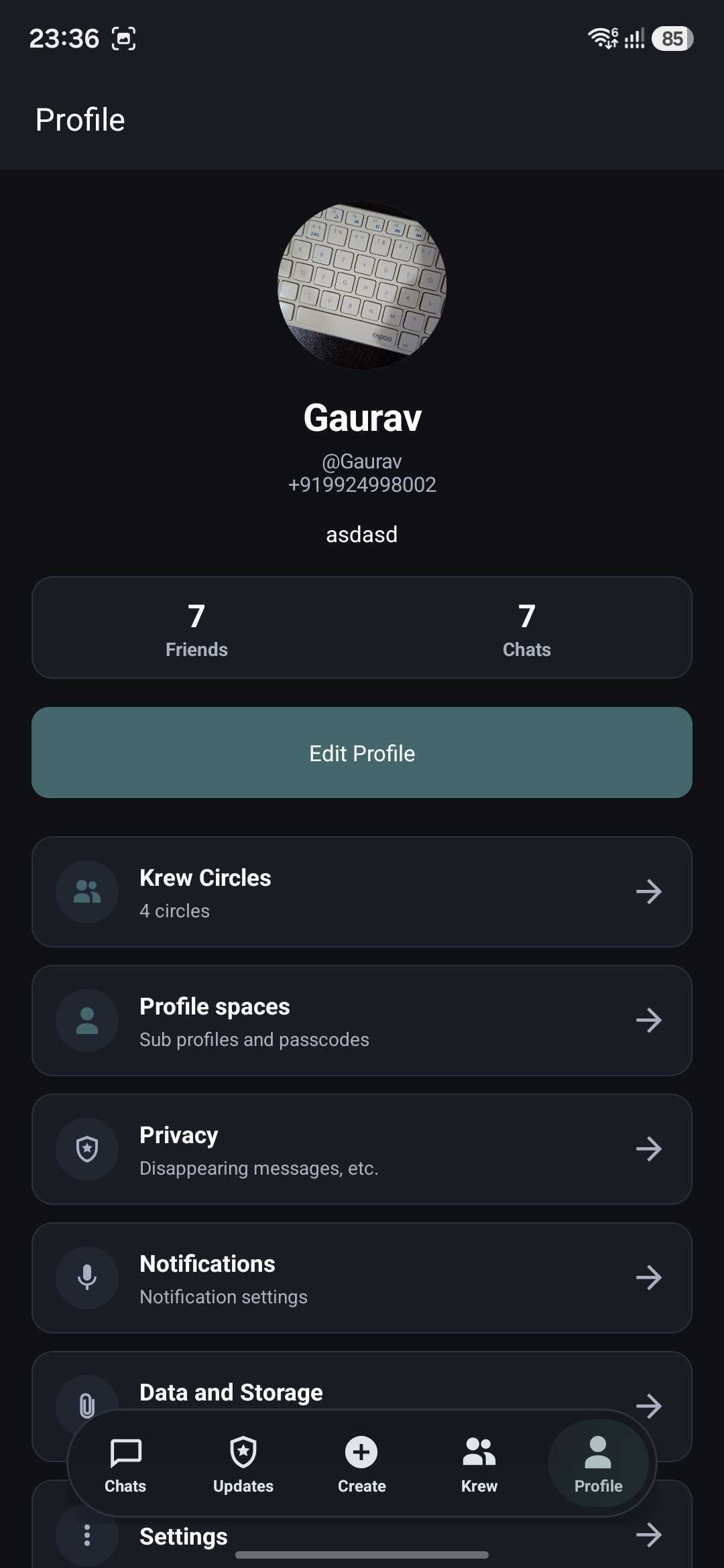
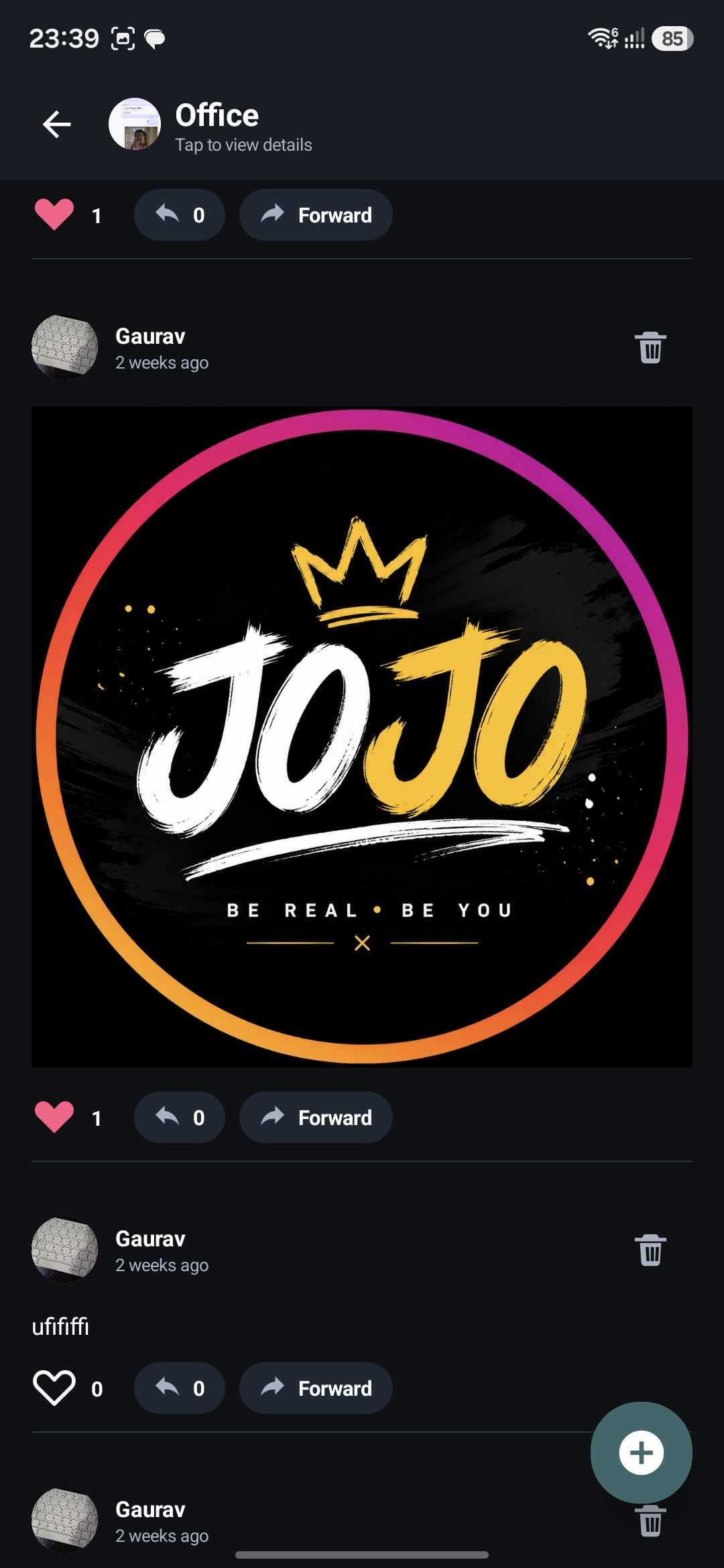
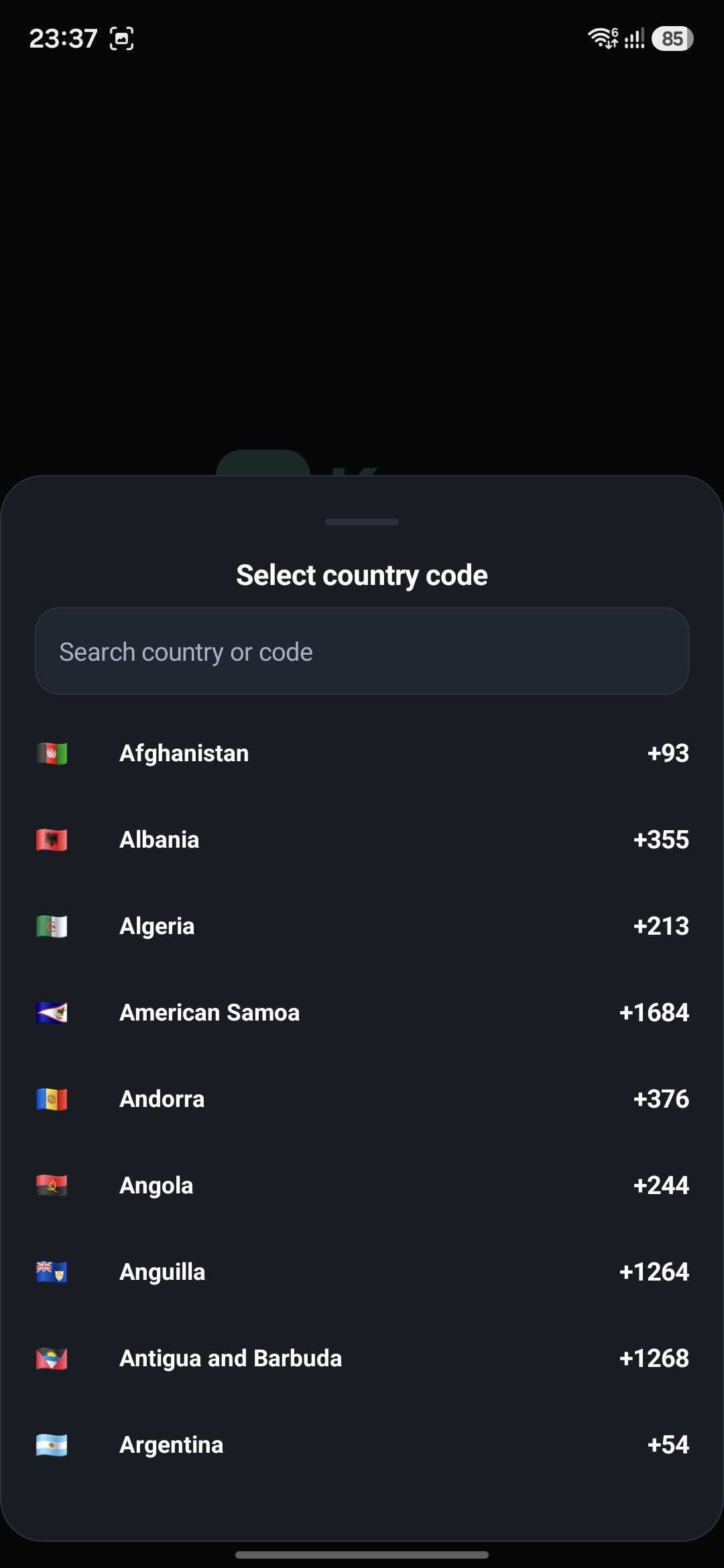
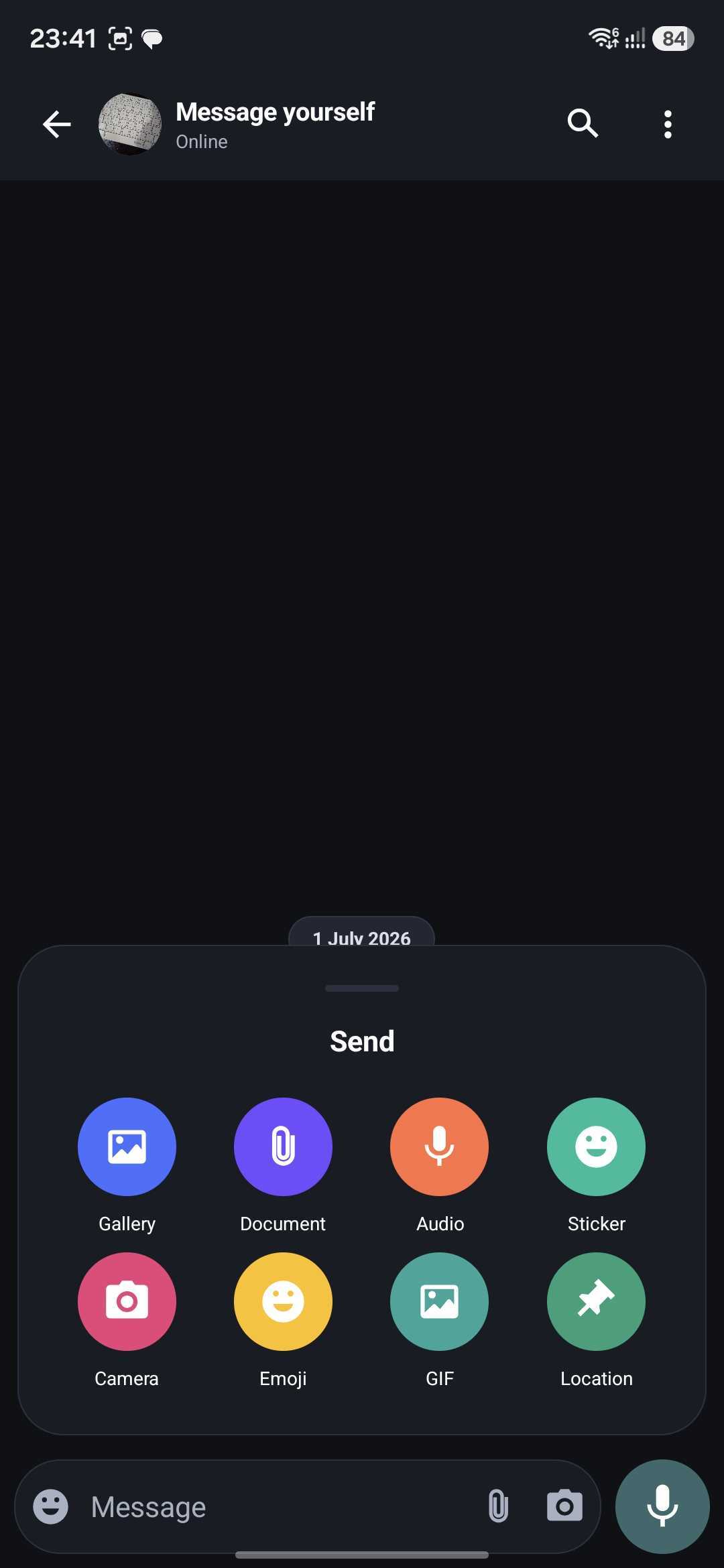
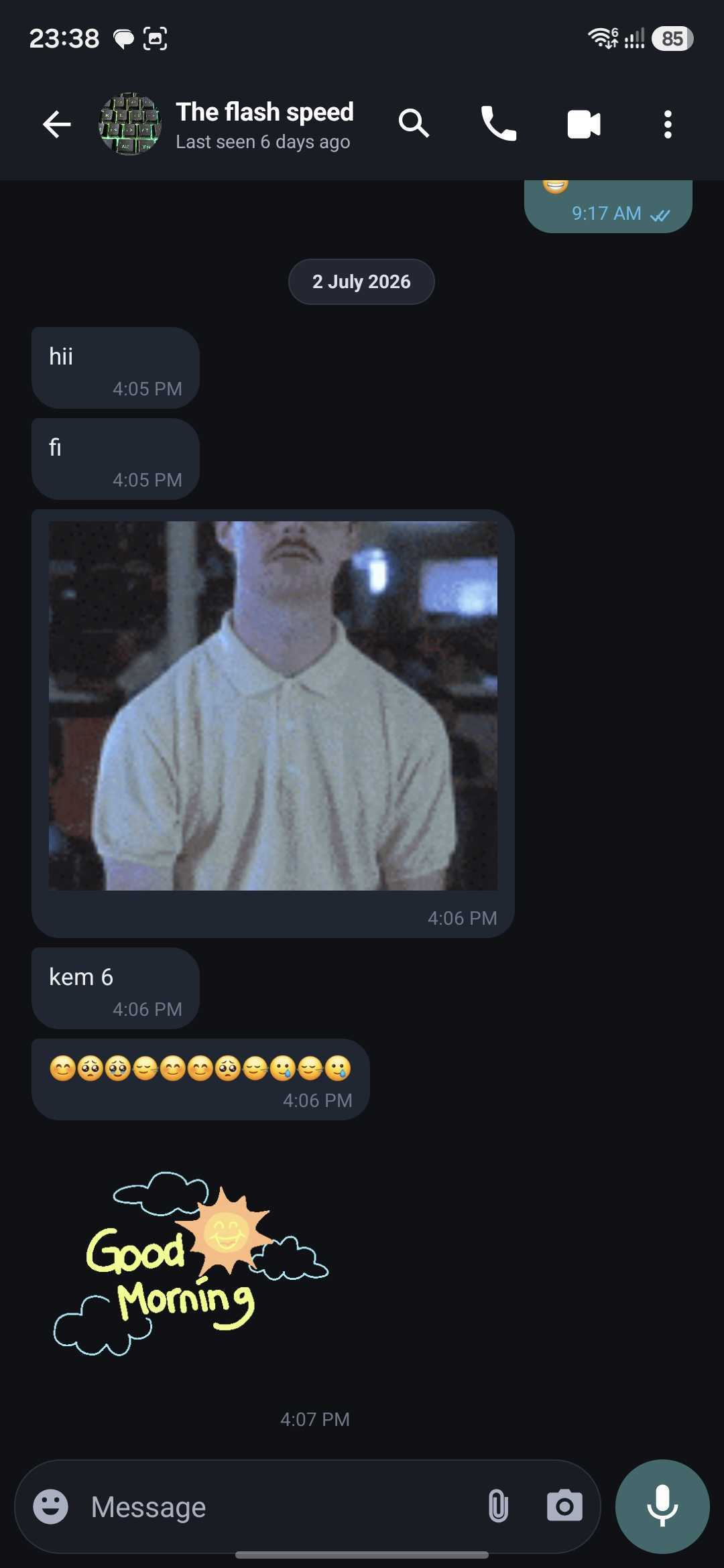
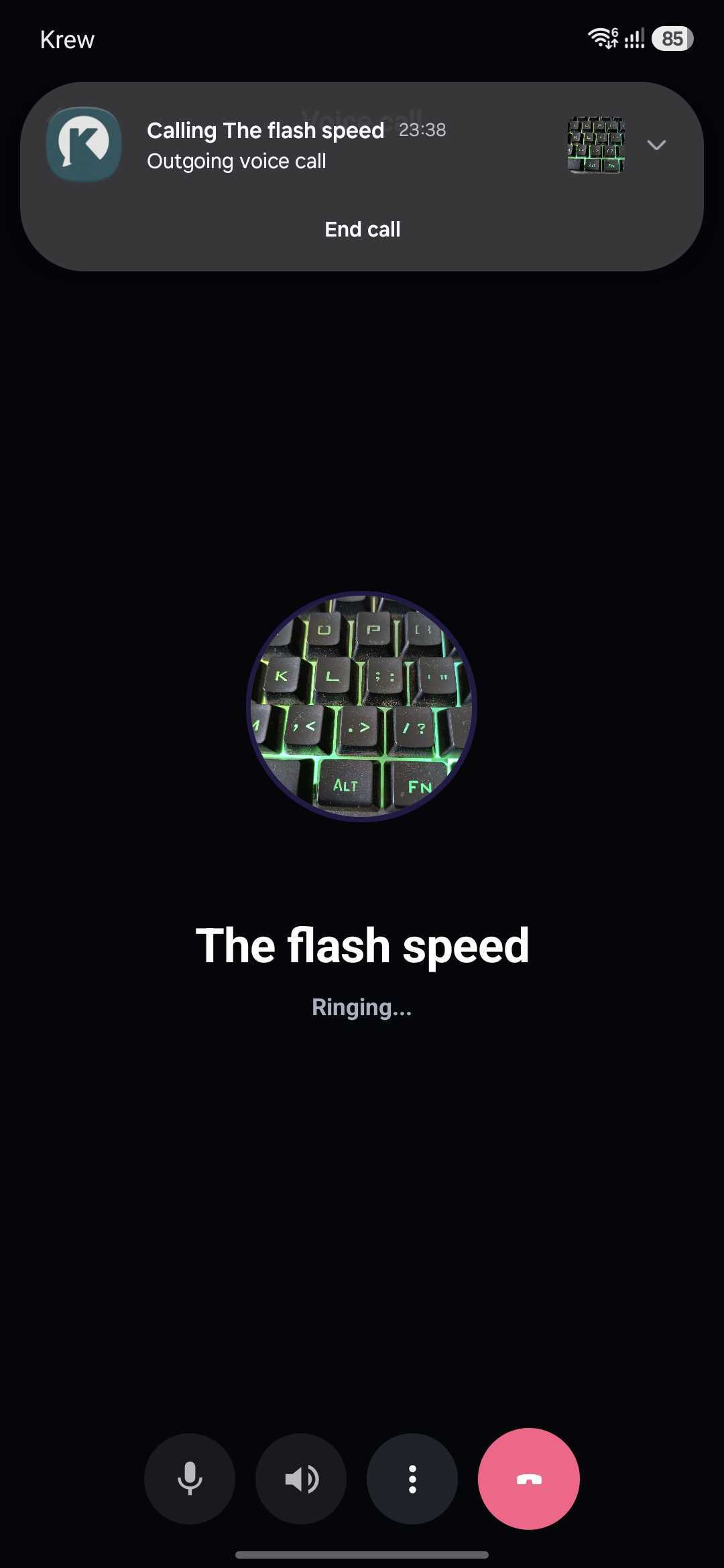
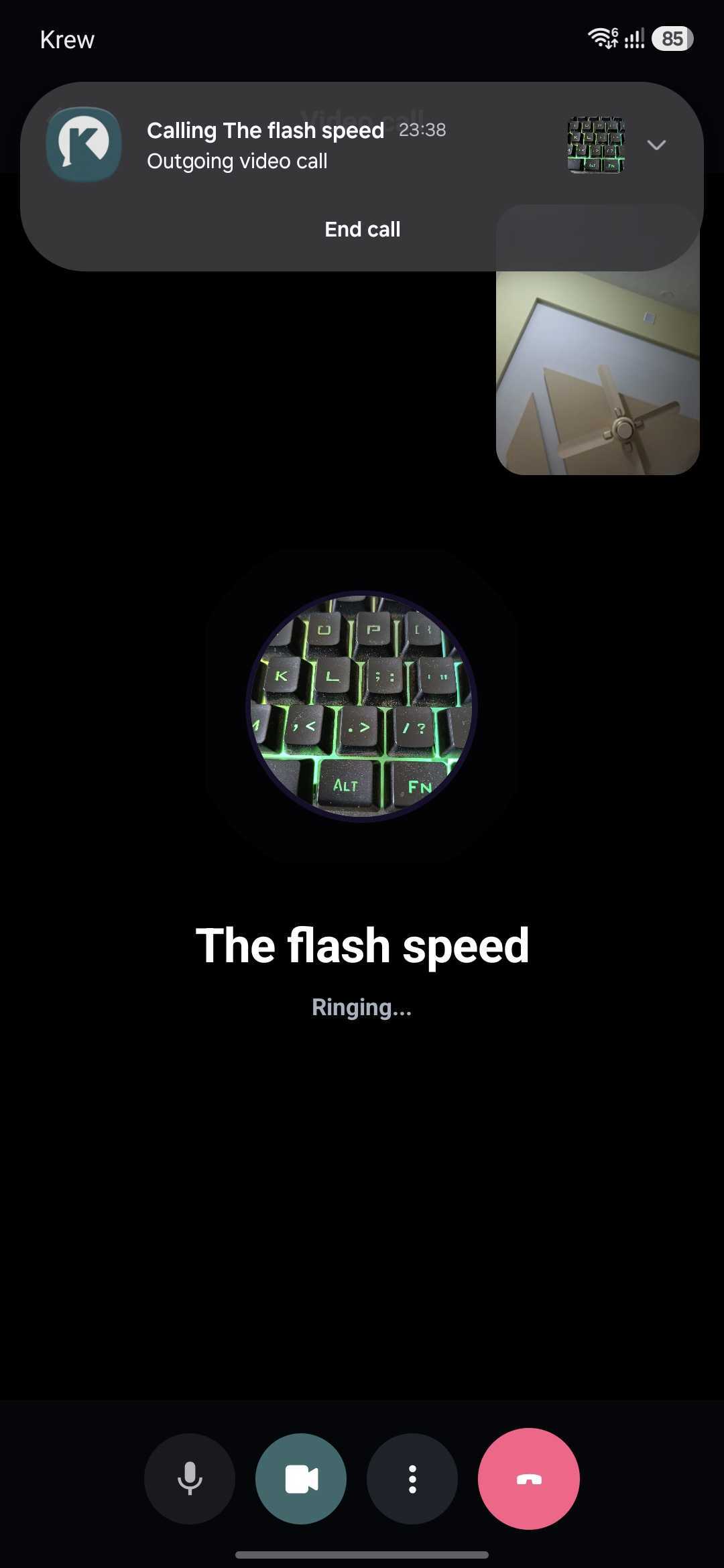
The current Android application brings identity spaces, onboarding, rich messaging, calling and social publishing into one coherent visual system.
01
Identity & access
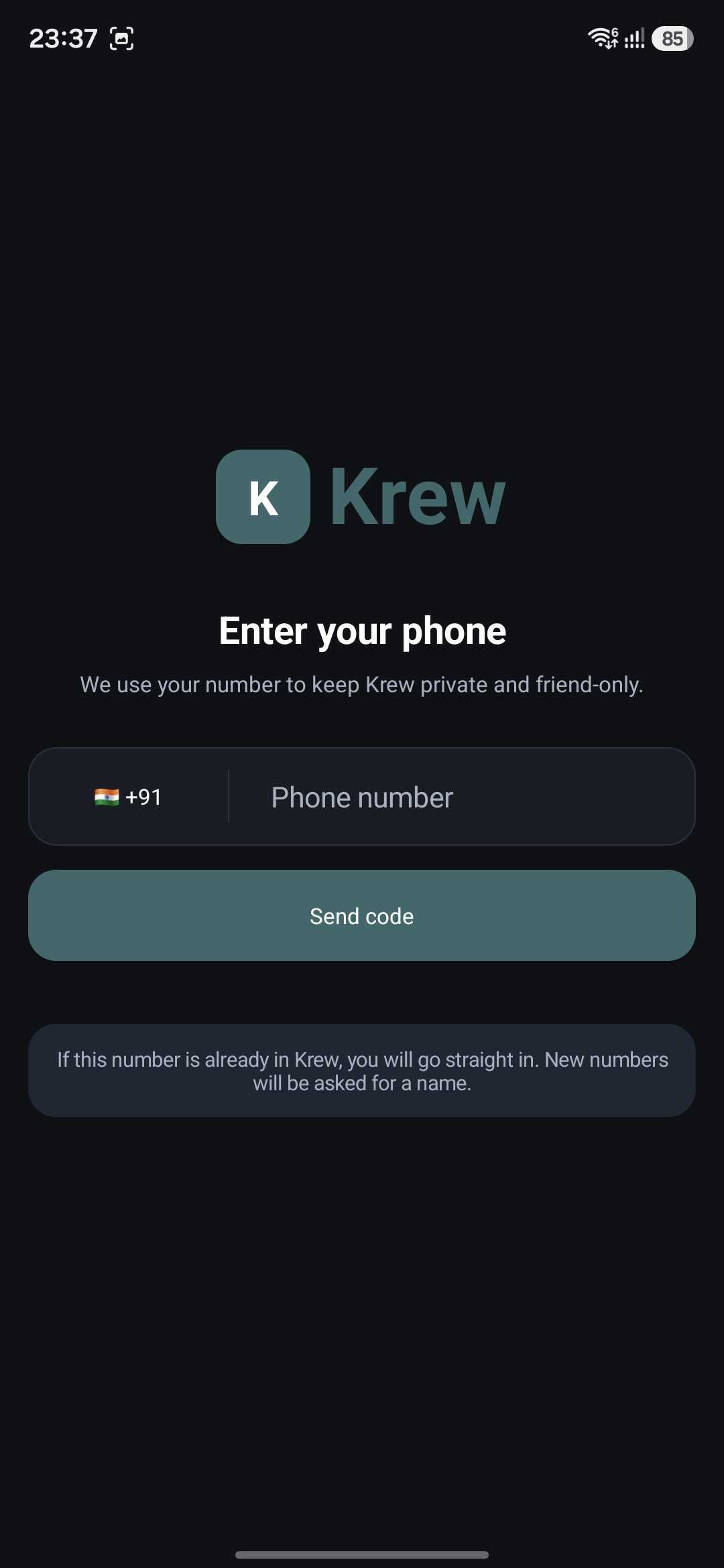
From phone onboarding to profile-aware spaces protected by distinct passcodes.
02
Communication & community
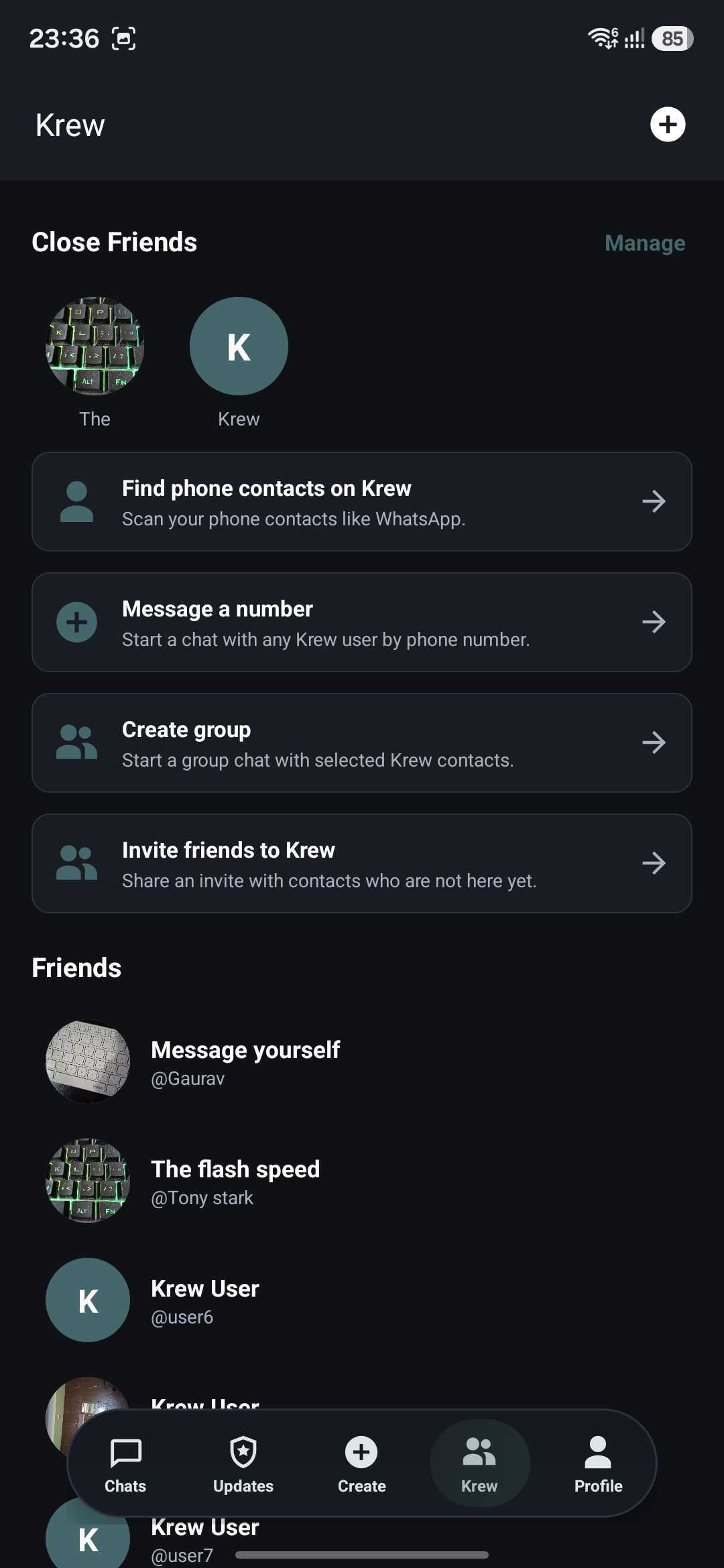
Contacts, rich sharing, messages, WebRTC voice/video and social posts in the active context.
05 / APP COMPARISON
Different products with different strengths.
Krew focuses on context separation. WhatsApp and Telegram retain important strengths in cryptography, scale and cross-device ecosystems.
| Dimension | Krew | Telegram | |
|---|---|---|---|
| Identity model | Multiple passcode-routed profile spaces inside one account | Two accounts on one phone, requiring a second number | Multiple phone-number accounts with app-level passcode |
| Private separation | Identity, chats and social context compartmentalized by space | Chat Lock protects selected threads | Secret Chats are device-specific; cloud chats sync |
| Messaging security | Encrypted at rest today; E2EE is a roadmap milestone | Personal messages and calls E2EE by default | Secret Chats and calls E2EE; Cloud Chats use client-server encryption |
| Voice & video | 1:1 WebRTC; no server call-media archive found | Mature encrypted individual and group calling | E2EE voice, video and group calls |
| Best fit | One device with several private personal or work contexts | Mature default-E2EE messaging and broad reach | Cloud sync, large communities, channels and extensibility |
Krew’s distinction is contextual access separation, not a claim of stronger message cryptography. Comparison reflects official Meta/WhatsApp and Telegram materials reviewed 14 July 2026; availability may vary by platform and region.
06
Security architecture
Current controls and the next security milestone.
Krew already protects identity boundaries, stored message text and live call transport. The next trust milestone is independently reviewed end-to-end encryption designed so message content is readable only on participant devices.
Security development priority
Implement a mature E2EE protocol for messages, secure device linking and recovery, minimize metadata, commission independent review, and publish a clear security model before making a default-E2EE claim.
07
Security improvements
Build security that is testable and documented.
transport
Require secure production connections
HTTPS, WSS and authenticated, rotating TURN credentials.
messages
Implement mature E2EE
Forward secrecy, per-device keys, verification and secure group key management.
privacy
Minimize metadata
Document retention limits for logs, push payloads, IP information and location data.
assurance
Commission independent review
Publish the security model, threat model and remediation summary.